
Non sono presenti prodotti nel carrello.
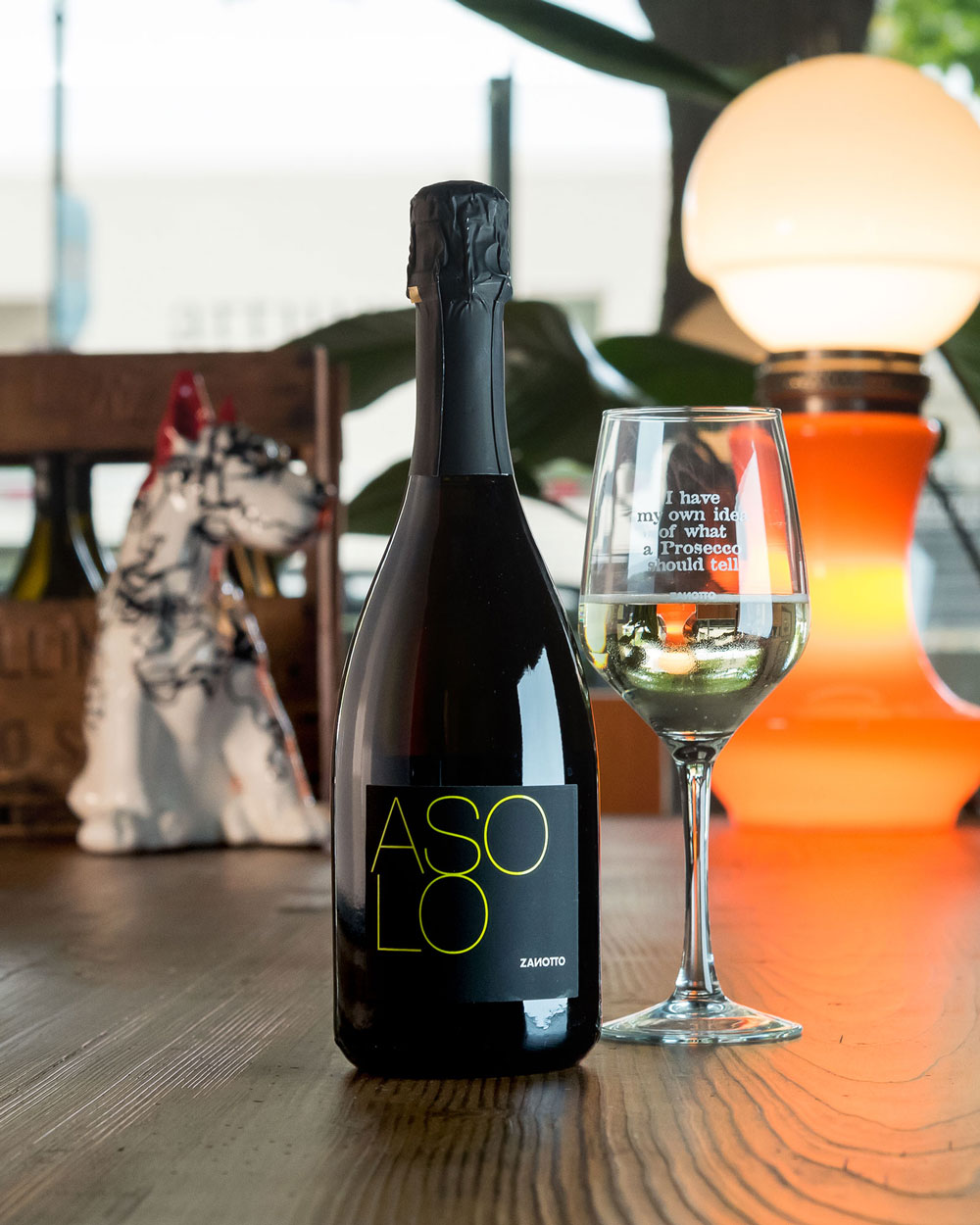
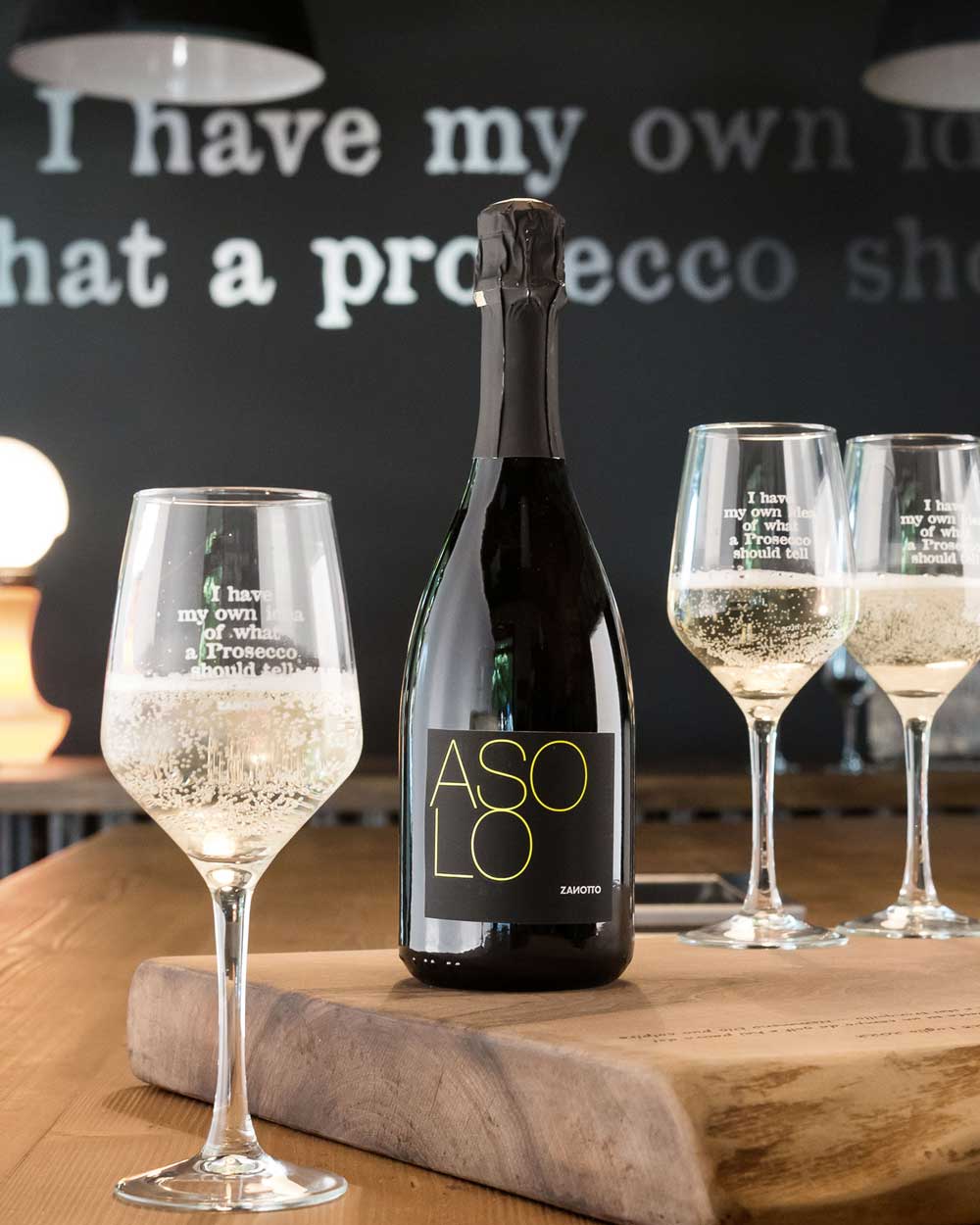
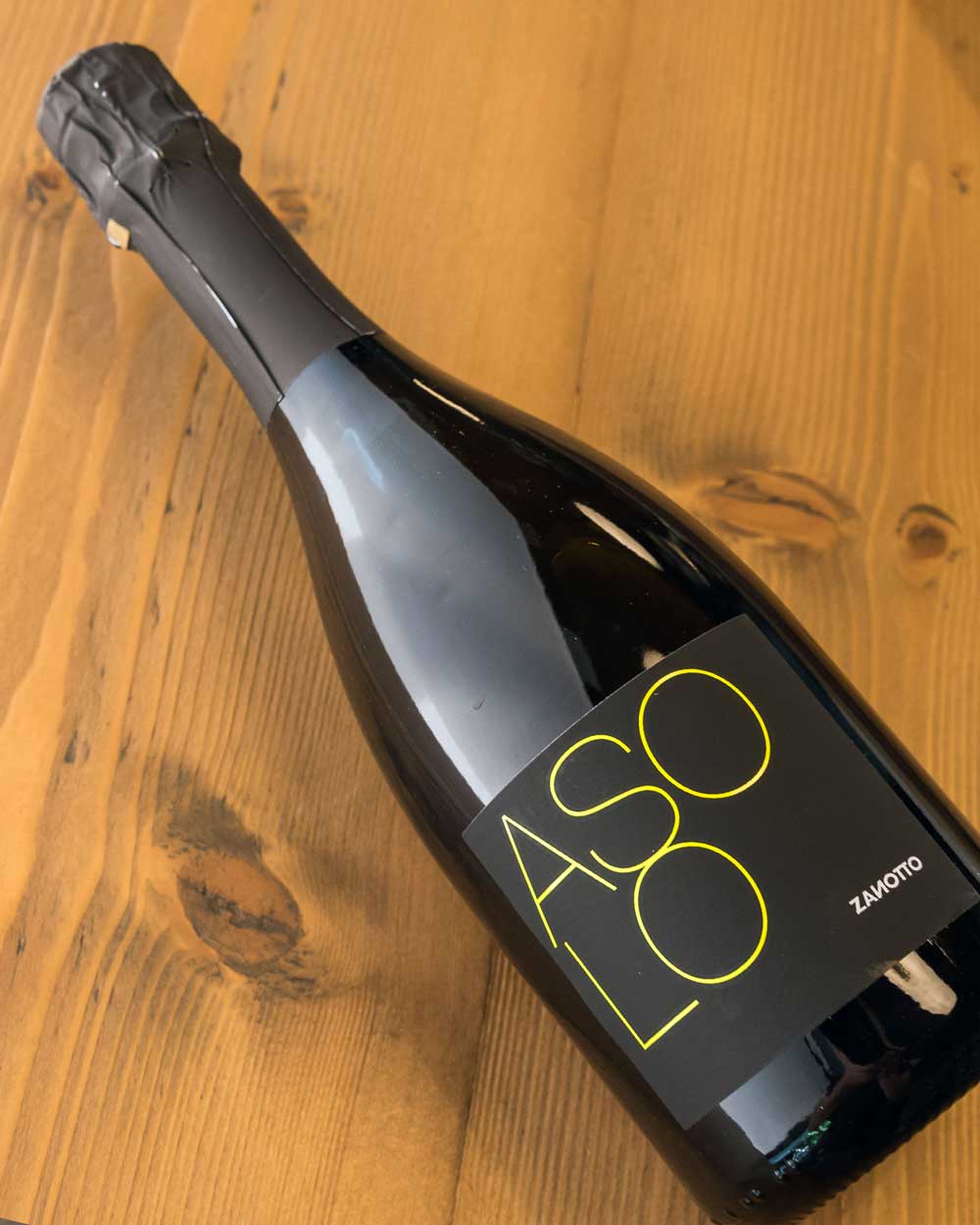
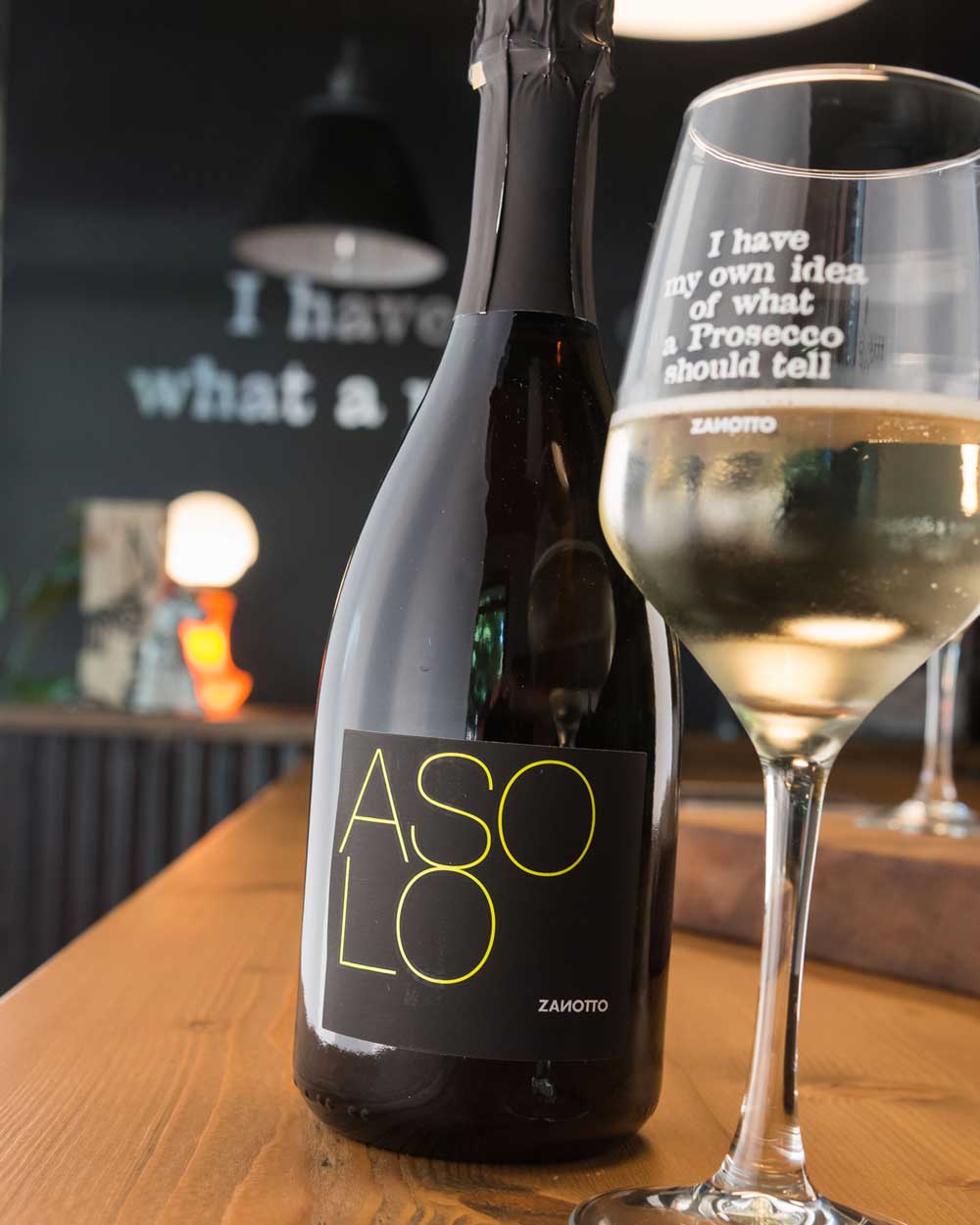
Asolo
Prosecco Superiore DOCG
Brut Sparkling Wine
11% vol – 750 ml
Asolo Prosecco Superiore DOCG Brut is produced in the heart of the Colli Asolani subzone, from hillside vineyards situated at an altitude of 150 to 200 meters, using 100% Glera grapes.
Produced using the Martinotti-Charmat method in pressurized stainless-steel tanks (autoclave). It is a Brut sparkling wine with a residual sugar content of 9 grams per liter.
Fine and persistent perlage, good acidity, with floral and fruity aromas featuring notes of unripe pear, green apple, lychee, lime, jasmine, and thyme.
On the palate, it recalls the aroma of apple; it is fresh, harmonious, and remarkably persistent, supported by a lively acidity.
Serving temperature: 7° – 8° C
Sparkling and Semi-Sparkling Wines: The Martinotti / Charmat Method

To learn more
Prosecco DOC and Prosecco Superiore DOCG: What’s It All About?
What does “Prosecco” or “Prosecco Superiore” on a label really mean? It’s more than just a place—it’s a promise, backed by the precise standards of DOC and DOCG designations.
The DOC, or Denomination of Controlled Origin, spans a broad swath of Veneto and Friuli Venezia Giulia—nine provinces stretching from Belluno to Trieste—where the Glera grape often thrives on flatlands. But it’s not enough for the grapes to hail from there: the wine must adhere to strict production rules, dictating everything from yield per hectare to vinification methods and final traits like freshness and aroma. This is the everyday Prosecco, with over 600 million bottles produced yearly—simple, crisp, and within everyone’s reach.
The DOCG, Denomination of Controlled and Guaranteed Origin, raises the bar. It focuses on two specific hilly areas: Conegliano Valdobbiadene and Asolo, places of excellence for the production of Prosecco Superiore. Here too, it’s not enough to be in the area: the wines must follow stricter rules, from a minimum of 85% Glera grapes to limited yields per hectare, up to rigorous quality controls. These specifications, published in the Official Gazette of the Italian Republic and approved by the Ministry of Agricultural, Food and Forestry Policies, ensure a strong connection with the territory and a superior level.
Within the Conegliano Valdobbiadene DOCG Consortium, two distinct personalities shine through. Conegliano crafts a Prosecco with fruit-forward notes—think pear and peach—born from fertile, sun-kissed soils. Valdobbiadene, by contrast, offers a leaner, more mineral profile, with crisp, dry hints shaped by steep, stony slopes. Here, the star is Cartizze, a rare cru spanning just 106 hectares on Valdobbiadene’s sun-drenched hillsides—a refined Prosecco, redolent of ripe apple and white blossoms.
Asolo DOCG has its roots in the Asolani Hills and the Montello area, between Treviso and Vicenza, at an altitude ranging between 100 and 450 meters. In this area of historic villages and rolling hills that embraces the territories of Asolo, Cornuda, Maser, Monfumo, and the surrounding slopes—characterized by marly and clayey soils—Glera finds the ideal conditions to express itself with great elegance. The result is a fine and complex Prosecco Superiore, which combines a distinct minerality and hints of white peach with a characteristic softness, reflecting an ancient, deep-rooted winemaking tradition guarded among the slopes of this unique landscape.
In short: DOC is the widely available Prosecco, governed by clear rules; DOCG is certified excellence, rarer and tethered to its terroir. Two sides of a sparkling story, each earning its name in its own way.
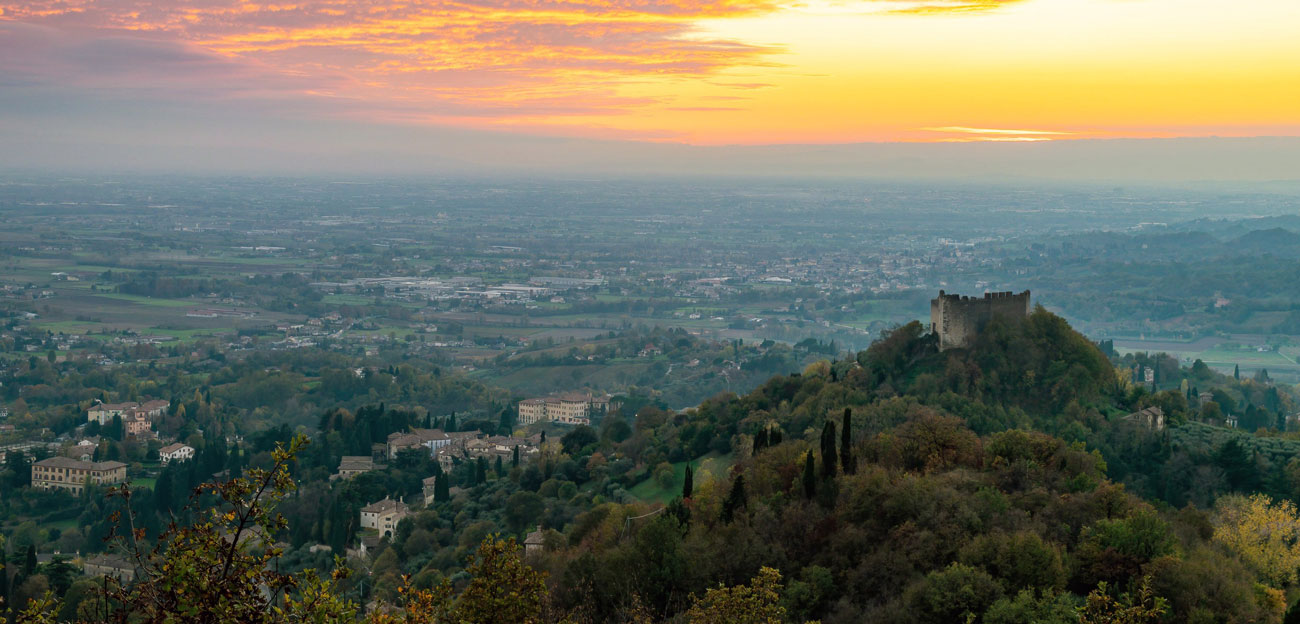
The historic Rocca d’Asolo overlooks the heart of the Asolani Hills, the cradle of Asolo Prosecco Superiore DOCG.